LONG STORIES SHORT
“Sulge silmad ja kuula Vanemuinet”
“Close your eyes and let the old voices within your genes tell you a story”
UPCOMING SHOWS
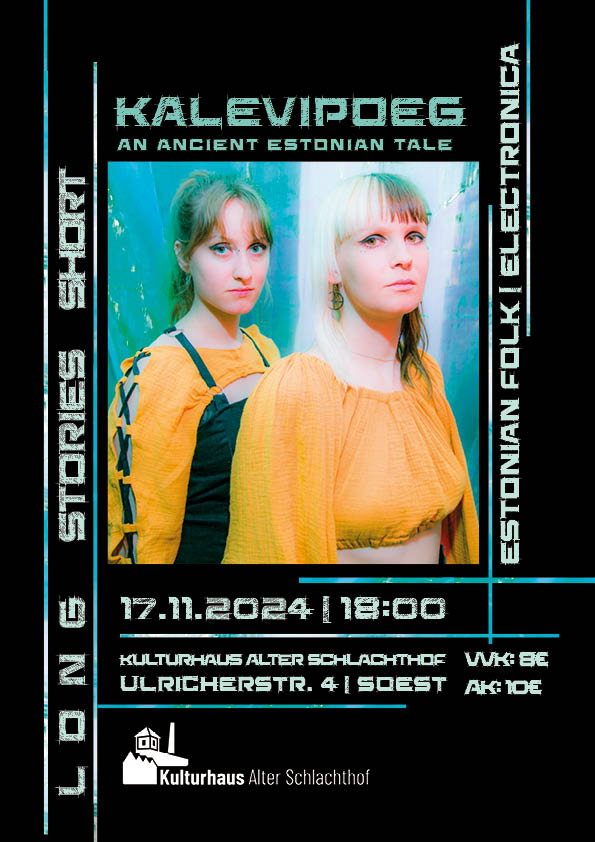
17.11.2024 – SCHLACHTHOF SOEST
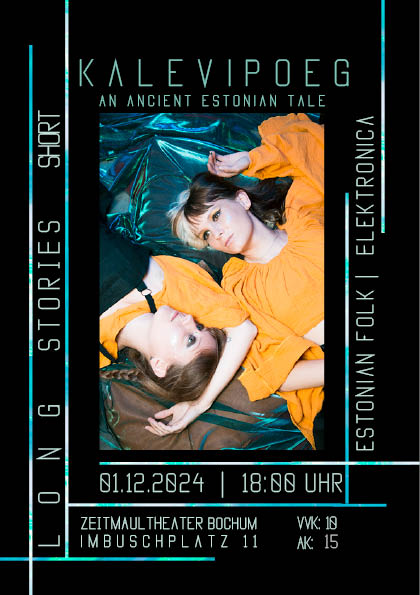
01.12.2024 – ZEITMAUL THEATER BOCHUM
THE SHOWS AND TICKETS
WHAT DO YOU HEAR?
TRADITIONAL
ELECTRONIC
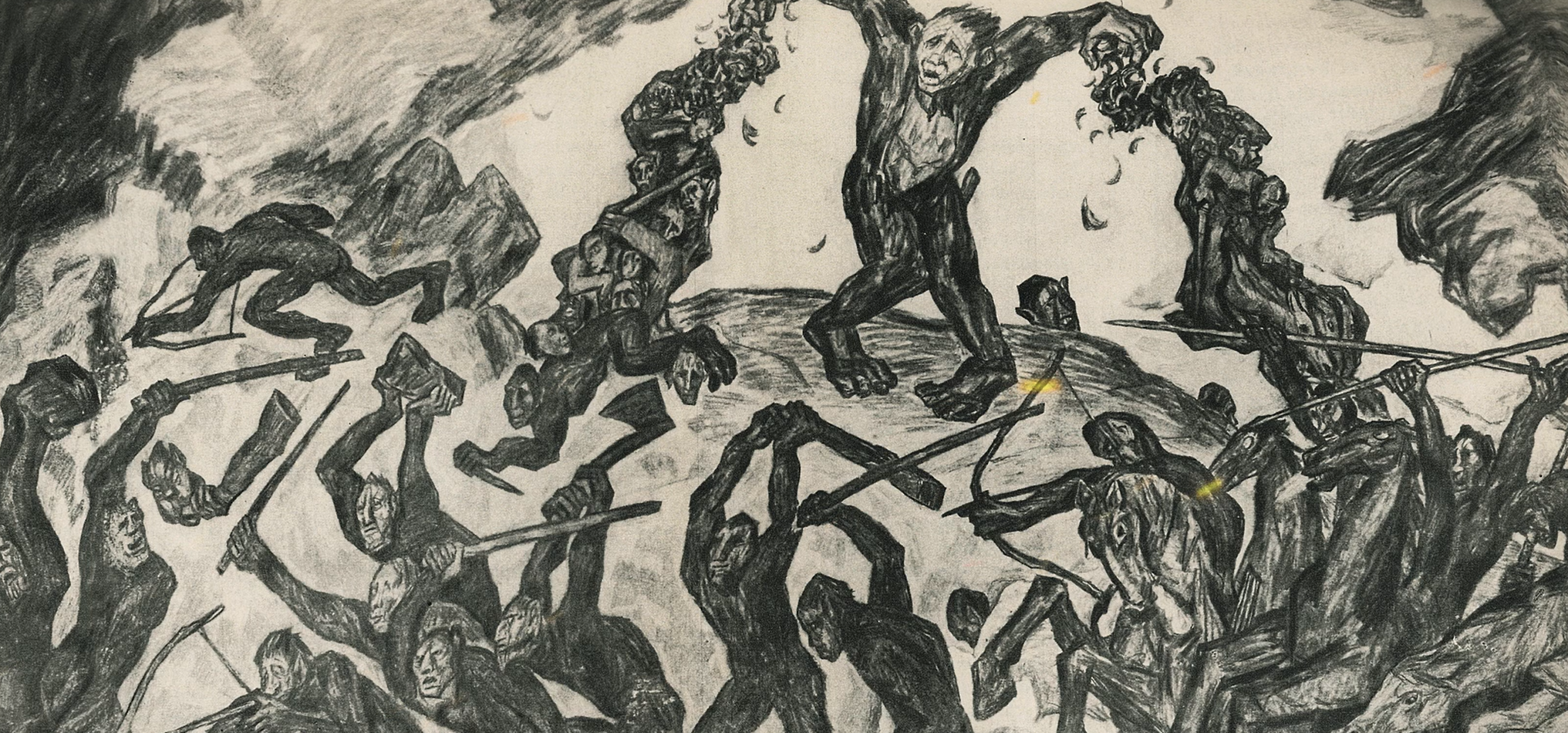
EXPERIMENTAL
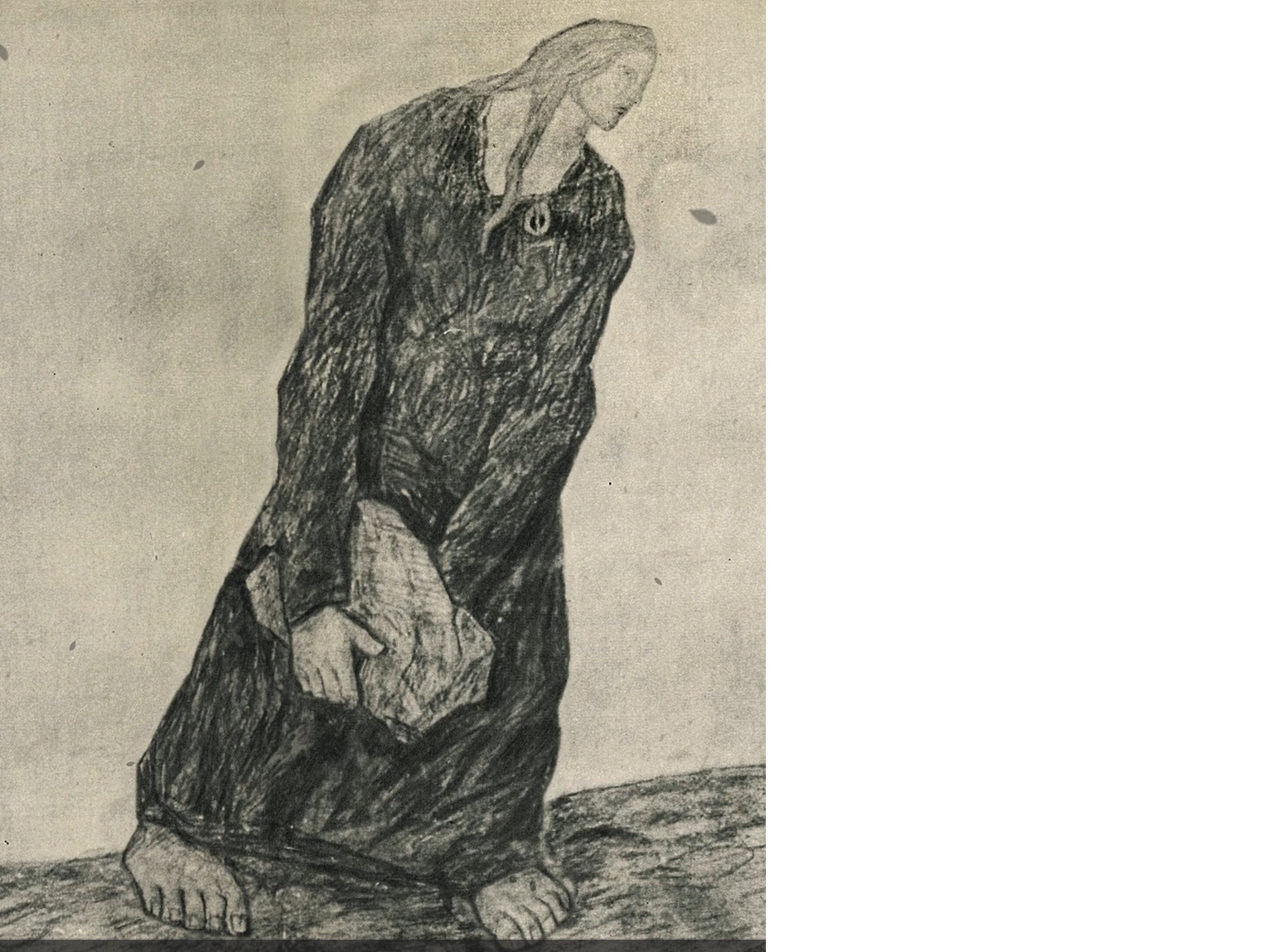
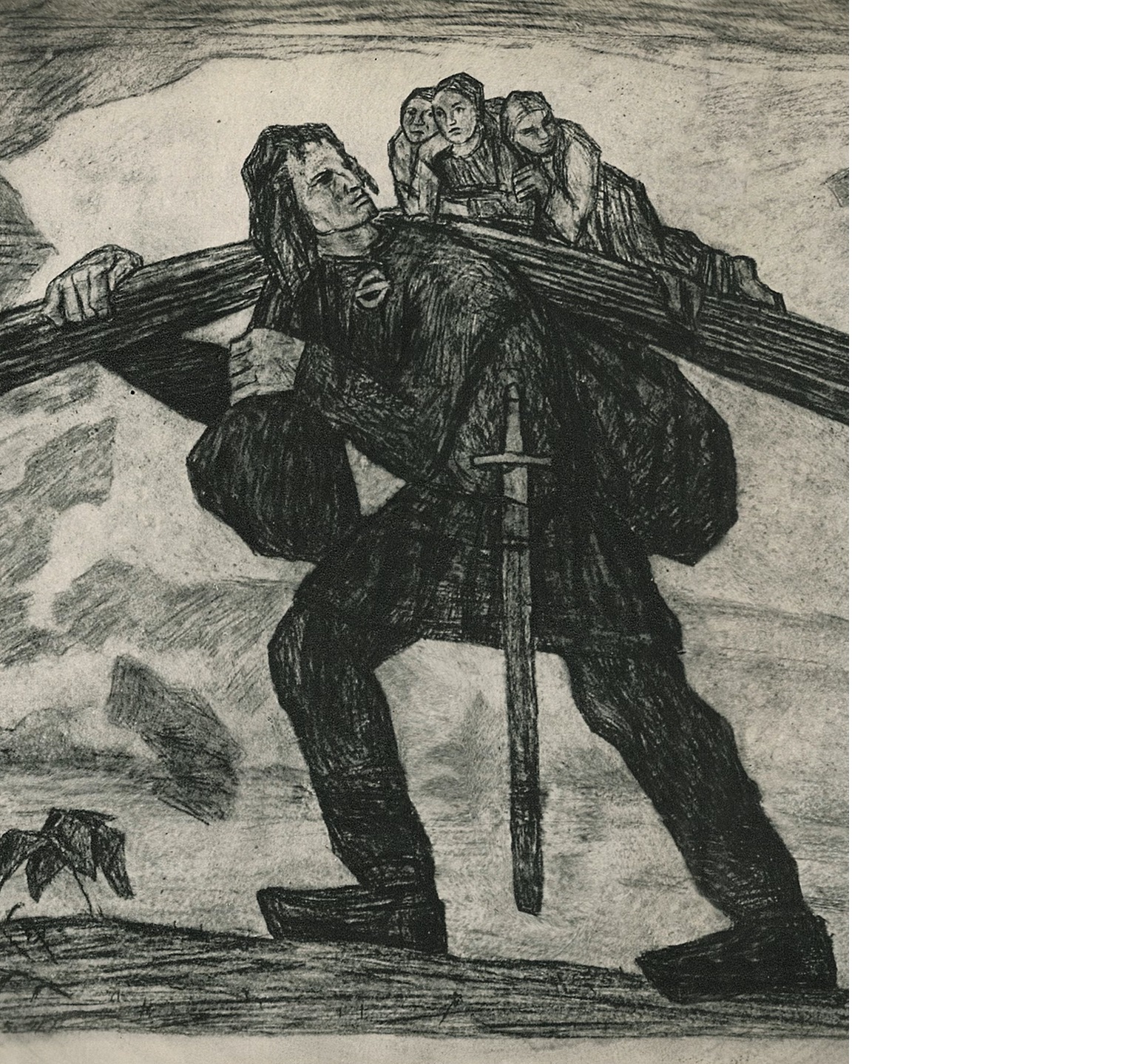
ORIGINAL PICTURES BY KRISTJAN RAUD
WHO DO YOU HEAR?
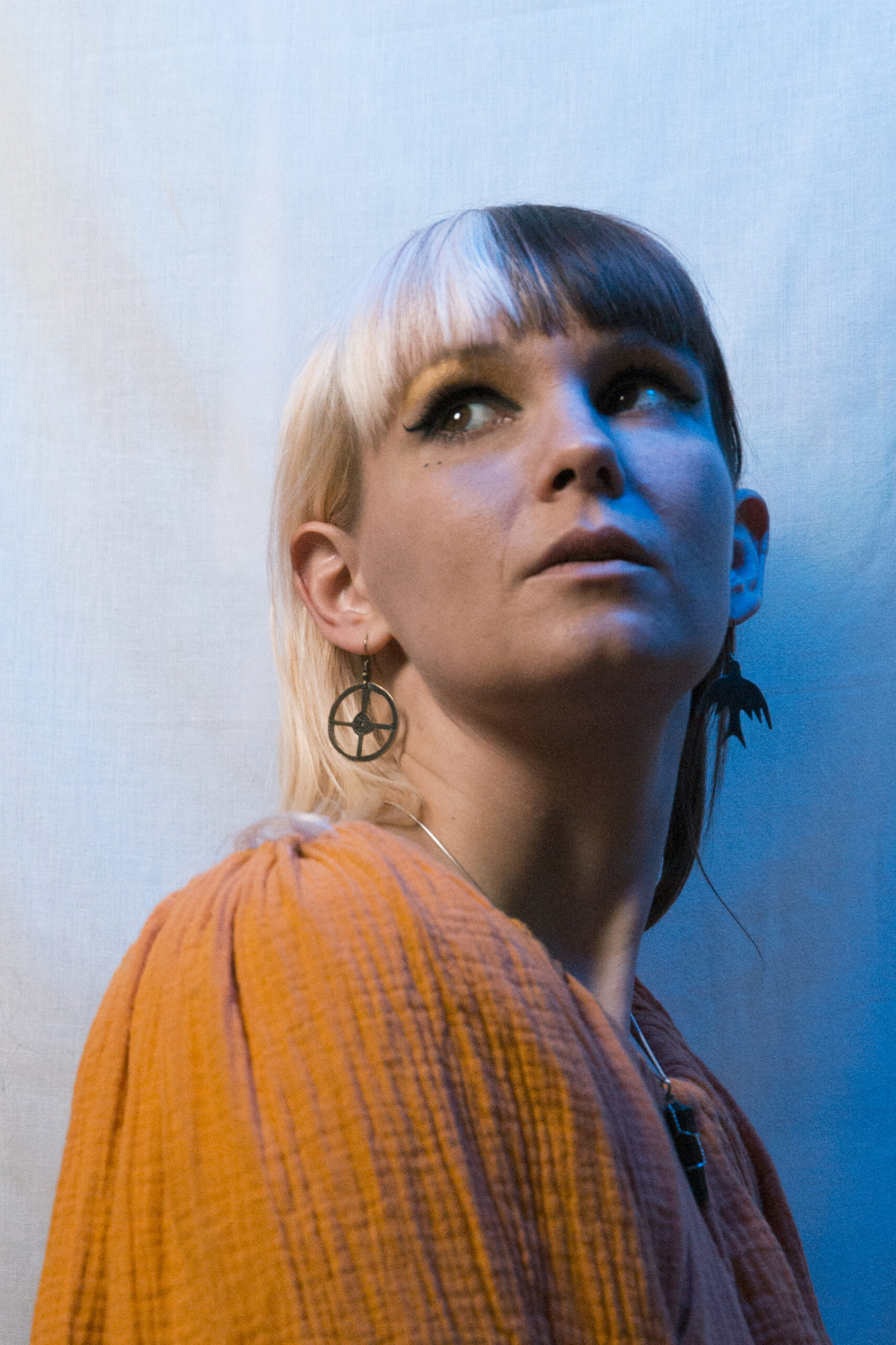
Layn
COMPOSER & VOICE
Layn (a.k.a. Dagmar Fischer (*1988)), born in Germany with Estonian roots, studied composition at the Folkwang University of the Arts. With 20 years of stage experience as a singer and composer, Dagmar Fischer has contributed to film projects and showcased her musical talents in various contexts.
Picture by Jenny Smith
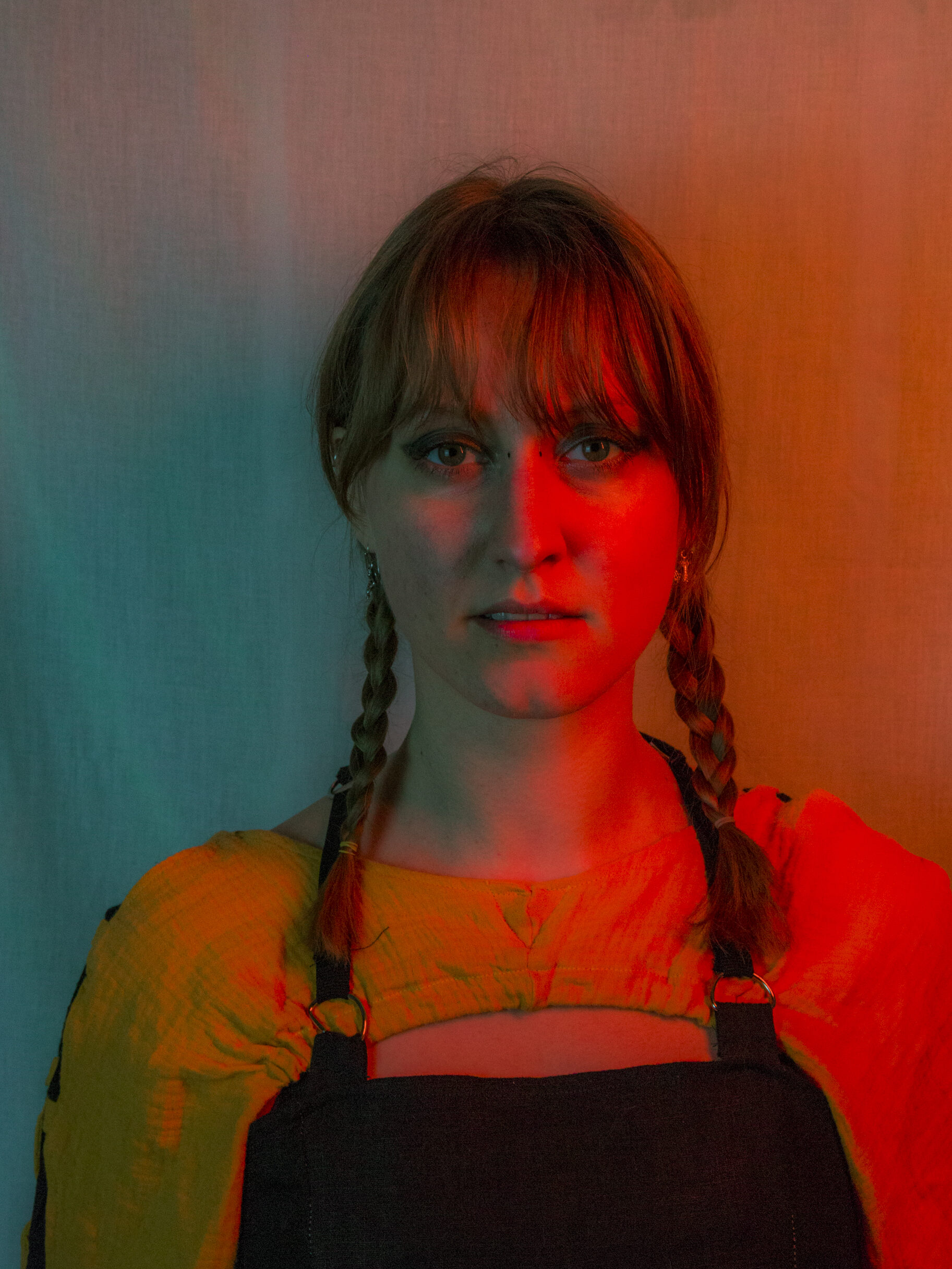
Raili Kuoppamäki
VOICE
Raili Kuoppamäki (*1998) sings in many different languages and produces experimental electronic pop music with influences from ambient and film music. In addition to her work as a solo artist, she is a member of the Finnish-German project “This Machine!”, which was awarded the ZKM Karlsruhe PopExperimental Prize in 2023.
Picture by Jenny Smith
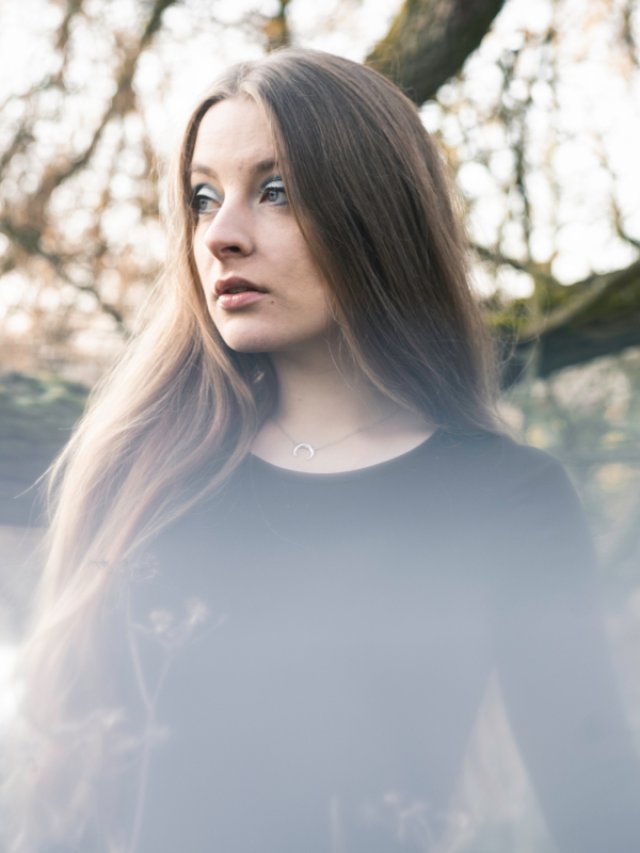
Fanny Herbst
HARP
Fanny Herbst (*) studies harp at the Folkwang University of the Arts. She completed her Bachelor’s degree in Classical and Romantic music. In her Master’s program, she focuses on New Music, deeply engaging with works by composers like Stockhausen and Berio, while experimenting with sounds and prepared strings. Alongside her academic career, she is actively performing nationwide with her folk band Brisinga.
Tim von Malotki
FLUTE & BASSCLARINETTE
Kamilla Salem
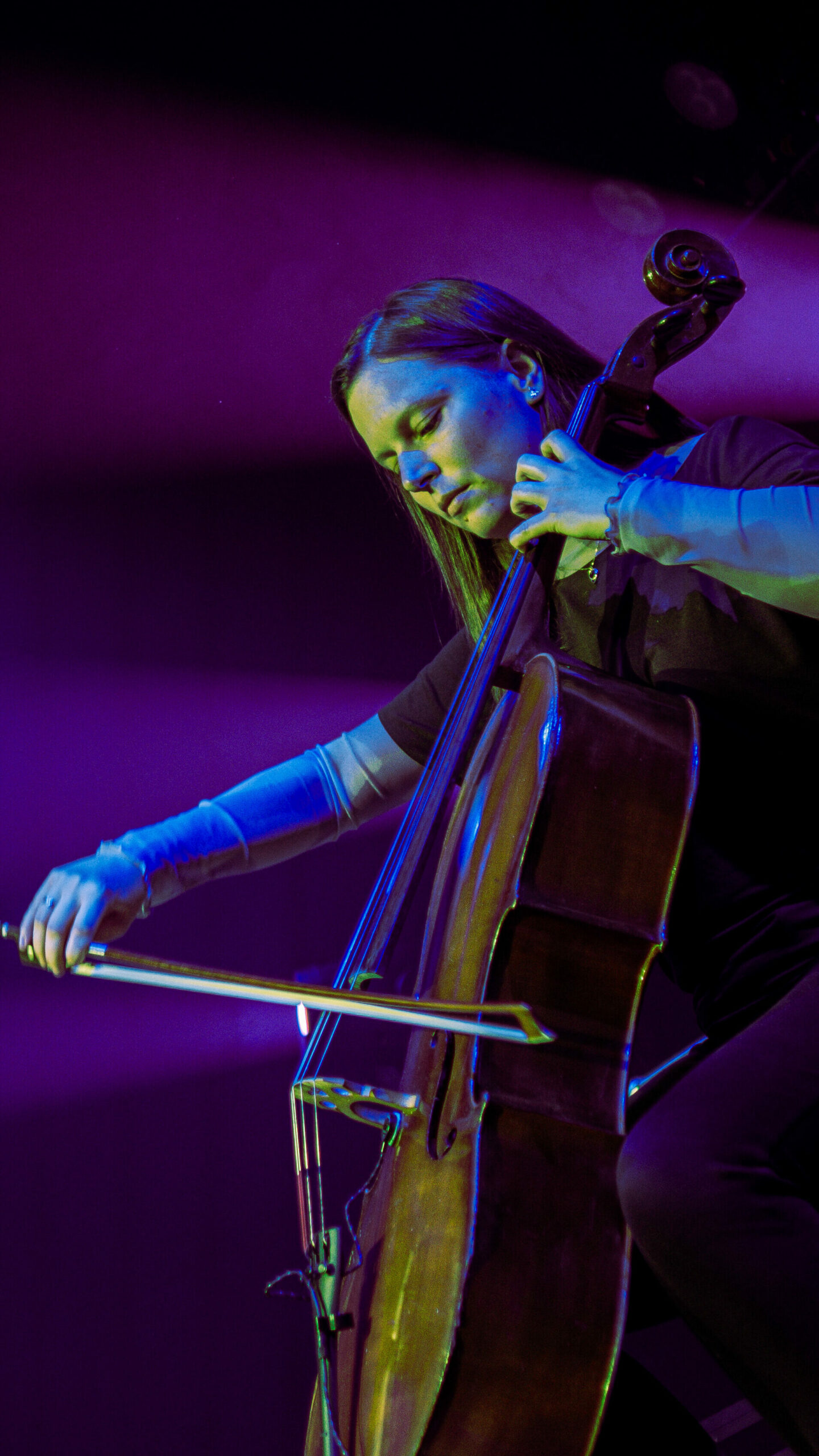
VIOLONCELLO
Kamilla Salem (*born in 1991, Eggeling) completed her Bachelor’s degree in Music Education with a major in Cello at the Robert Schumann University in Düsseldorf. During her studies, she worked as a cello and music teacher in primary schools and kindergartens, and has experience in radio productions. She is currently close to completing her Master’s degree in Music and Cultural Studies. She regularly performs in various stylistically diverse ensembles both in Germany and internationally.
Sem Wendt
BASSSAXOPHONE
THE STORY
Inspiration strikes where it falls. On a summer evening in the old house of my grandparents in Estonia, I’m sorting through books that are to be taken to an antiquarian bookstore. While browsing, my eyes fall on a thin, ochre-colored school edition of Kalevipoeg, printed in 1970 at the Soviet printing house “Kommunist” in Tallinn. On the cover, a large warrior leans wearily on his sword. As I flip through the pages, the scent of heavy, yellowed paper wafts toward me. I skim through the stories and verses and feel a desire for more.
A visit to the National Museum in Tartu introduces me to various versions of the original epic by Friedrich Reinhold Kreutzwald (1803-1882). Some of these are Bible-thick, adorned with impressive gold edges. In conversation with a historian, I learn that the language used is partly invented or adapted to the lyrical text, a means to create meter and rhyme structure that wouldn’t be possible in spoken language. Nineteen thousand verses in twenty chapters summarize Estonian folk songs, legends, and myths, forming the foundation for the continuation of the giant Kalevipoeg, who defended the Estonian people from enemies and invaders with his bare hands.
The news of recent years—war in Ukraine, the strengthening of the Russian empire, and Putin’s greed for power—send a chill down my spine. The scenario reminds me somewhat of Estonia’s situation in the 19th century. Once again, the independence of the small Baltic state is hanging by a thread. I feel a kind of negative nostalgia. Uncertainty, fear, and dependency were motivations back then for a stand against foreign rule and helplessness.
Back home, I grab the school edition, just 83 pages long, and read it chapter by chapter. There are narrative texts that simplify the content of the epic and excerpts from the famous, often difficult-to-understand verses as they appear in the original book. At the same time, melodies and musical landscapes for the powerful and layered verses form in my head. I spend the next two years summarizing the twenty chapters into eight of my own and composing my own musical version of the epic that had so fascinated me.